

How to Detox Alcohol at Home
Home detox is a safe option for those with a mild alcohol use disorder. It is not a good option for people with severe or severe addictions.
Avoiding temptation is an important first step towards a successful detox. To do this, remove all alcohol from your house.
The withdrawal symptoms of alcohol include agitation, seizures, hallucinations, and potentially life-threatening tremens. It's important to get help if you experience these symptoms.
1. Consult a doctor
It is essential to speak with an expert in healthcare before you attempt to cleanse yourself of alcohol at home. They can assess your situation and determine if a home detox is a good idea for you. They can also help you plan your detox and give tips on how to avoid complications.
Certain medications are prescribed during medical detox to help to reduce the negative effects of withdrawal, like seizures and delirium tremens. Benzodiazepines have traditionally been employed for this purpose but there are other medicines that are also effective in certain circumstances like barbiturates or baclofen. To determine which medication is right for you, it's recommended to consult a healthcare provider who is experienced in treating alcoholism.
Eliminating your home of all alcoholic beverages is another important step in the withdrawal process. This will make it much more difficult to give in to temptation and end the detox process early. Pour the alcohol down the sink or give it away to someone in the family or a someone you know who doesn't drink heavily. This is best done before you begin the detox process so that you don't have any alcohol once you begin feeling withdrawal symptoms.
It is also recommended to join an aid group to help you detox from alcohol at home. This can be accomplished through an organization that offers support, like Alcoholics Anonymous (AA), or a professional counselor, like an addiction or mental health abuse counselor. It's also a good idea for you to temporarily stop working and set your responsibilities aside while you detox. This will let you focus all of your attention on a healthier lifestyle.
2. Clear your schedule
For the first two weeks of detox, it's ideal to get your schedule cleared as much as possible. You can take a break from work, temporarily set aside other obligations, and locate a supportive family member or a friend who will be there to keep you occupied during withdrawal. They can also assist in getting you medical attention when you start experiencing severe symptoms.
It may seem difficult for many people however it's a must for detox to be successful. It's best to stay clear of any person who could tempt you to drink. Also, ensure that you have no readily available alcohol at home by pouring it down the drain or giving it to someone who isn't a heavy drinker.
It's important to get enough rest and eat a balanced diet during this time. Dehydration can be a problem during the detox phase. Drink plenty of water and other fluids that hydrate you and avoid sugary drinks. Consuming foods that are rich in vitamins will provide your body with the nutrients it needs to remain healthy. A restful night's sleep can also help rejuvenate your liver which is responsible for removing toxic substances from your body.
3. Find a support group
Alcohol withdrawal can cause dangerous and severe symptoms. Always consult a doctor before undertaking a detox at home. People with a history or alcoholism are at greater chance of suffering from serious withdrawal complications. Higher risks are associated with those who have medical conditions like heart or liver disease that could be aggravated by withdrawal. If you are pregnant, or taking medication that could interact with alcohol, it is not recommended to try to withdraw from alcohol.
If you're thinking of trying to detox at home, it's essential that you have a support system to keep you healthy and motivated throughout the process. This can include family members or friends, or even sober friends who can offer support and guidance. It's also recommended to organize your schedule and limit your interactions with those who could tempt you to drink. This will help you concentrate on your recovery and prevent the possibility of relapse.
It isn't straightforward, but with right preparation it is safe and successful. If you're at high risk of alcohol withdrawal or have tried detoxing at home but failed in the past, you should seek out professional assistance. Participate in an inpatient or outpatient program where you receive medical supervision.
Even after your withdrawal symptoms have lessened it is still possible to suffer from Post Acute Withdrawal Syndrome (PAWS). This is a prolonged depression and anxiety that can be present for months or years. It is essential to seek long-term recovery support via an app for therapy or online counseling services like BetterHelp.
4. Don't give up
It can be a challenge. However, it's important not to give up on your goal of becoming sober. Relapse is a risk when you don't fully detox. If you are experiencing signs of relapse, like drinking or talking about drinking frequently, it's essential to seek out further treatment. detox alcohol may need to attend therapy sessions or modify your lifestyle to avoid relapse.
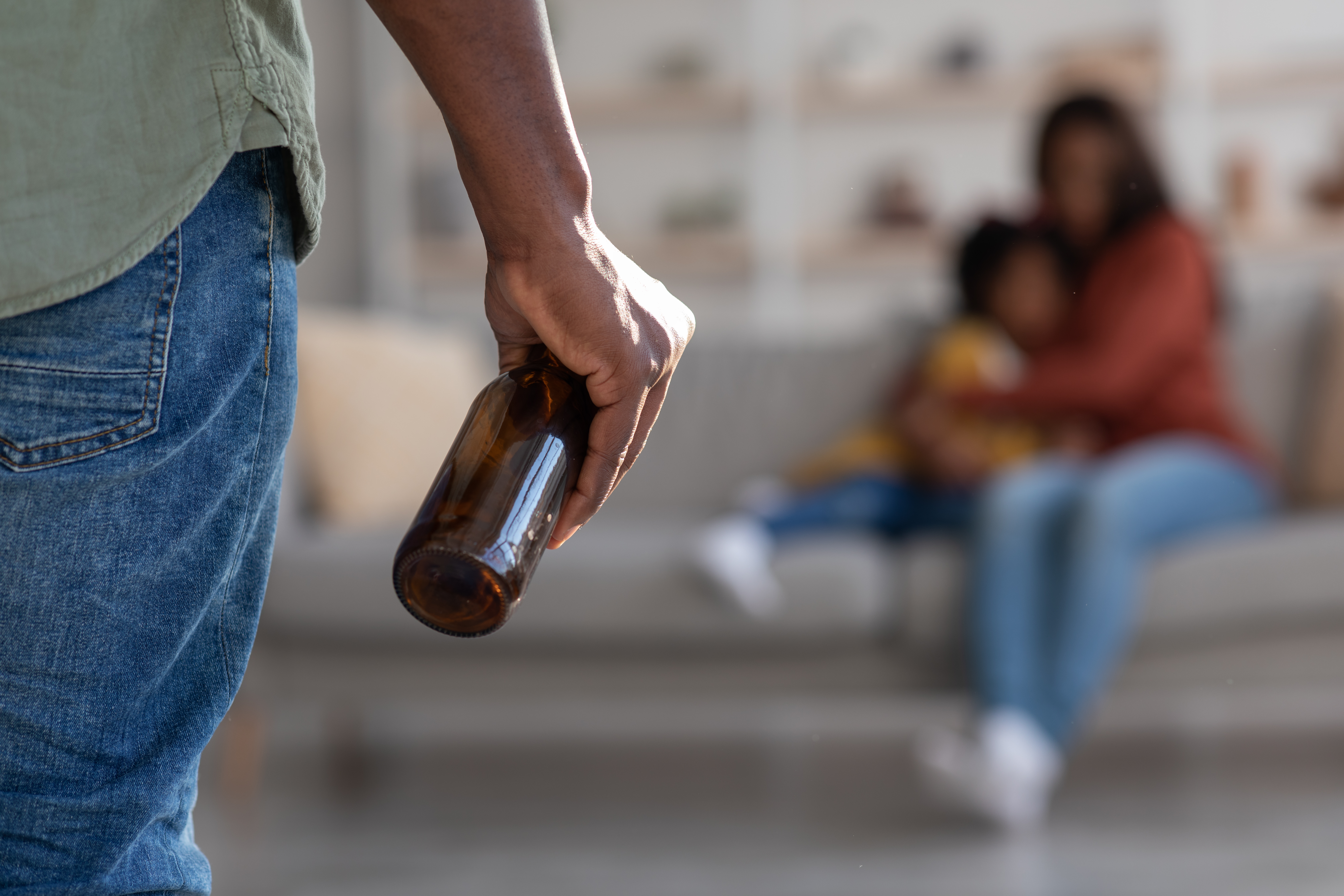
It is important to consult your physician prior to attempting to detox from alcohol at home. This is especially true for people who drink heavily because they are likely to experience more severe symptoms of withdrawal. The withdrawal effects of alcohol can be fatal, so it's recommended to avoid detoxing on your own.
While you are going through alcohol detox, be sure to drink plenty of water and other hydrating drinks. Drinking water will help decrease cravings and also prevent dehydration, which is one of the most common side effects associated with withdrawal from alcohol. In addition, you should maintain a healthy lifestyle and avoid eating foods high in sugar or caffeine as they can increase the anxiety levels.
In addition to drinking plenty of water, it is also important to get enough rest. Resting enough will boost your mood and decrease anxiety, while also improving your immune system. In addition, exercising and a healthy diet will aid in your recovery. The last thing to do is avoid people who are associated with drinking, and engage in activities you love. Be busy to avoid cravings and temptations. It can also relieve stress.
5. Practice mindfulness
Practicing mindfulness, which involves being fully aware of your thoughts, feelings and surroundings in the present, is an important aspect of alcohol detox. It can help you learn to control your cravings and prevent relapse. It can help you learn how to deal triggers, like people, places or events that cause you to feel the need for alcohol.
Mindfulness is not as difficult as it may appear. All you need to do is pay attention to your breathing and keep track of any physical or emotional sensations you're experiencing. You can also try calming activities like yoga or meditation to improve your mental wellbeing and relax. It's also important to follow a healthy diet, especially in the early stages of withdrawal. Avoid drinks and foods that are sweet as they can make the withdrawal symptoms worse.
Sleep is equally important. This will allow your body to relax, which will speed up the elimination of toxins your system. Make sure you drink plenty of water. This will help prevent dehydration, and help keep your body hydrated throughout the detoxification process. It's also recommended to add lemon juice to your water as it will help to rejuvenate your liver and accelerate the process of detoxification. Additionally it's beneficial to eat a variety of whole foods that are rich in minerals and vitamins like vegetables, fruits, and lean meats. Drink herbal teas like chamomile or valerian root to help reduce stress and anxiety. These teas contain natural sedatives that can reduce withdrawal symptoms. Finally, it's important to cut out foods that trigger withdrawal symptoms, such as processed or fatty foods, caffeine, sugary sodas and fast food that is greasy.